
A biodigester in Tanzania can cost from TSh 2.5 million to TSh 13.5 million, depending on the number of users the system is designed to serve. At Biosept Enterprises Company Ltd, current system prices range from a 1–20-user system at TSh 2.5 million to a 1–400-user system at TSh 13.5 million, before considering any site-specific requirements.
The important point is that a biodigester is not priced simply by the tank. The required capacity, site conditions, excavation, transportation, labour and drainage can affect the complete installation cost.
How much does a biodigester cost in Tanzania?
For a residential or commercial property owner, the best starting point is the expected number of users. Biosept Enterprises Company Ltd currently offers biodigester systems at the following prices based on user capacity.
| Biodigester capacity | Biosept price |
|---|---|
| 1–20 users | TSh 2,500,000 |
| 1–66 users | TSh 5,500,000 |
| 1–100 users | TSh 7,500,000 |
| 1–200 users | TSh 10,500,000 |
| 1–400 users | TSh 13,500,000 |
These are Biosept Enterprises Company Ltd’s current prices, rather than a claim that every biodigester installer in Tanzania charges the same amount.
The final project cost can depend on what the property requires around the biodigester. Biosept’s installation approach can include the biodigester, grease traps and French drains, so customers should compare complete wastewater solutions rather than comparing the price of a tank from one supplier with a complete installation from another.
Tanzania-specific research also shows why capacity matters. A 2022 study examining anaerobic digestion of faecal sludge and food waste in Tanzania evaluated systems at different scales and found that the economics change with system size and application. Tanzania anaerobic-digestion study
What does a real 1–20-user biodigester cost?
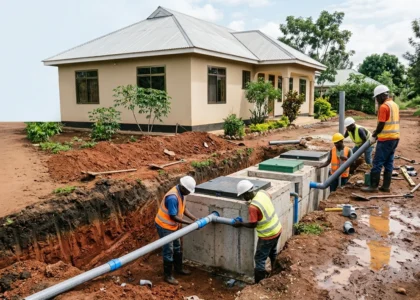
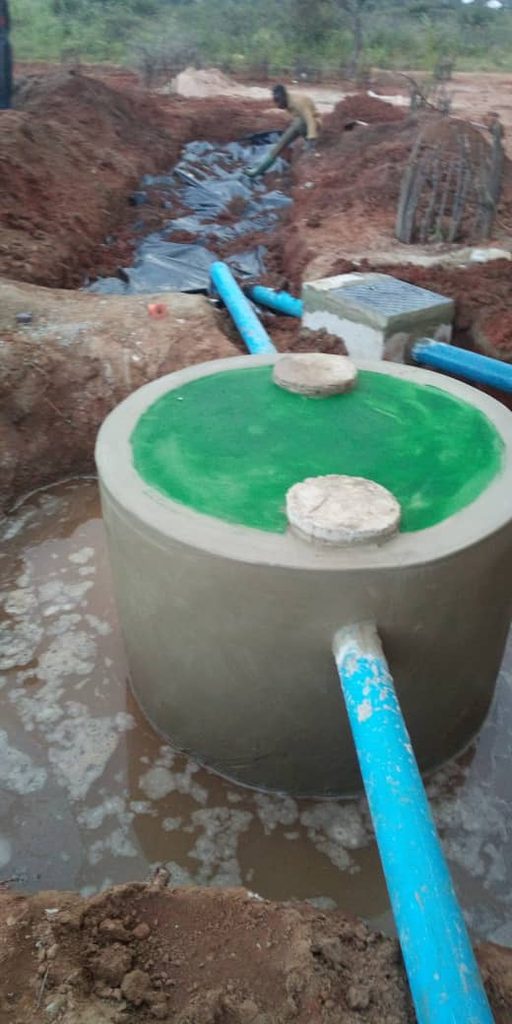
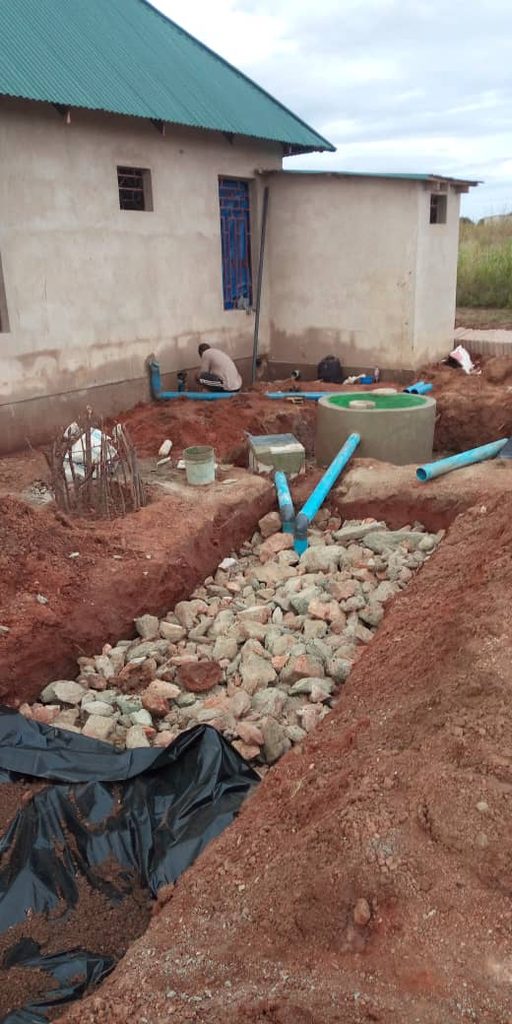
Biosept’s Goba project provides a real example of a small residential installation. The system was designed for 1–20 users and cost TSh 2,500,000, with the project cost covering the general installation requirements, including transportation of materials and labour.
The Goba site also presented an important construction challenge: a high water table. Because excavation and installation were affected by water, Biosept had to use specialised equipment, including a water pump, to manage the site during construction.
This illustrates why the advertised price of a biodigester and the final cost of a particular project should not automatically be assumed to be identical. Site conditions can create additional work and equipment requirements.
What types of biodigesters are common for home installation?
There is no single biodigester design that fits every property. Household anaerobic digesters include fixed-dome, floating-drum and plug-flow designs, with the appropriate configuration depending on factors such as location, feedstock, climate and operating requirements. Household Biogas Digesters review
For homeowners, however, the terminology can become confusing because the word biodigester is also commonly used commercially for modern wastewater-treatment systems designed as alternatives to conventional septic arrangements.
The practical question for a homeowner is therefore not simply, “Which biodigester type is cheapest?” It is, “Which wastewater-treatment system is correctly sized and designed for my property?”
Biosept’s service is focused on biodigester septic systems for homes, schools and hotels, with a site inspection used to determine the appropriate solution. Biosept biodigester installation service
What is included in a biodigester installation?
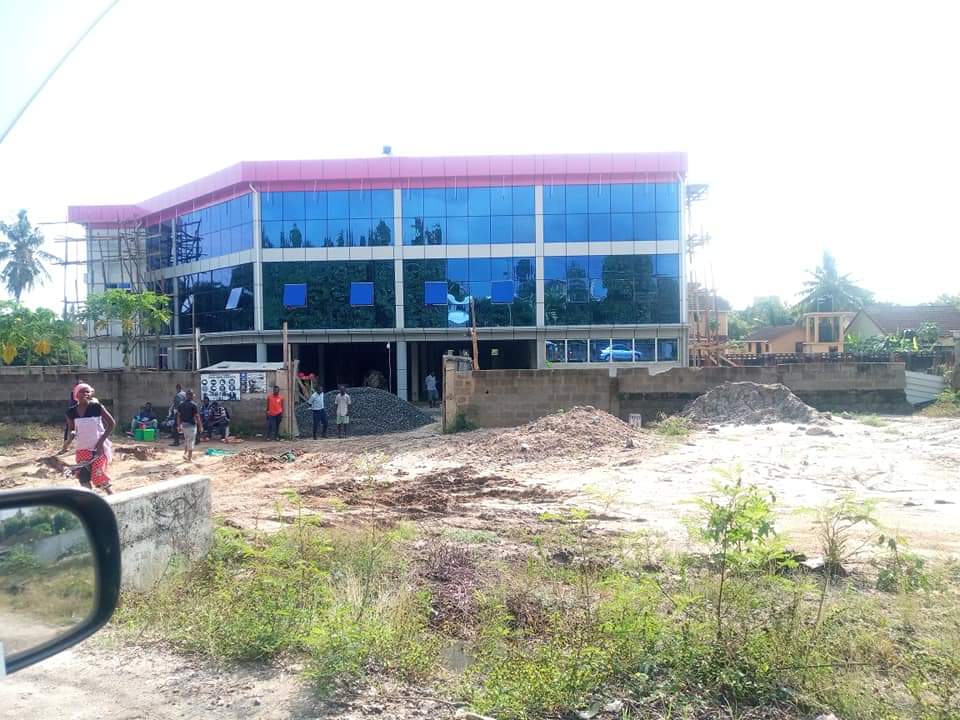
A biodigester installation should be viewed as a complete wastewater-management system, not simply a buried tank. Depending on the property, the installation may require the biodigester itself together with components that manage wastewater before and after biological treatment.
At Biosept, the installation can include the biodigester, grease traps and French drains. A grease trap can be important where kitchen wastewater contains fats, oils and grease, while the drainage arrangement determines how treated effluent is handled on the property.
The exact configuration should be established during a site inspection. Biosept provides a site inspection to assess the property, including available space, soil conditions and usage requirements before recommending a system. Biosept biodigester installation service
This is also why a very cheap biodigester quotation may not necessarily be the cheapest complete solution. If excavation, drainage, grease control, pipework or other necessary work is excluded, those costs may appear later.
What factors affect the cost of installing a biodigester?
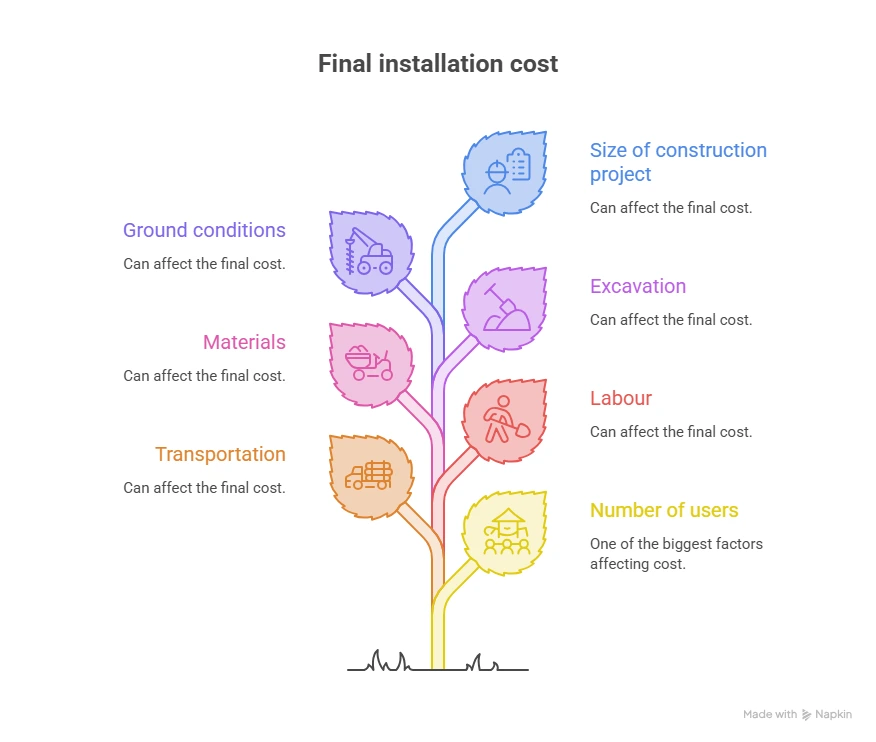
The number of users is one of the biggest factors, but it is not the only one. Transportation, labour, materials, excavation, ground conditions and the size of the construction project can all affect the final cost.
Tanzania’s wastewater-treatment guidance considers factors such as soil conditions, geology, groundwater and the location of sanitation systems relative to water sources when planning onsite sanitation. Tanzania Ministry of Water sanitation guidance
How does the number of users affect biodigester cost?
A system serving 10 people does not have the same wastewater load as one serving 100 or 400 people. The treatment system therefore needs to be sized according to the expected wastewater or waste load rather than choosing a tank simply because it is available.
Biosept’s pricing reflects this principle: its current options increase from TSh 2.5 million for 1–20 users to TSh 13.5 million for 1–400 users.
The Tanzania anaerobic-digestion study similarly examined different scales because the economics and treatment requirements change as the volume of material being processed increases. Tanzania anaerobic-digestion research
Does soil or groundwater affect biodigester installation?
Yes. Ground conditions can affect excavation and construction, while groundwater requires careful consideration when designing and locating onsite wastewater systems.
Biosept’s Goba project is a practical example. The property had a high water table, which meant the installation team needed specialised equipment, including a water pump, to manage water during the construction work.
Biosept has also worked in different ground conditions, including a hard-ground project in Masaki. These projects demonstrate why two properties requiring the same biodigester capacity can still have different construction requirements.
How much does a 400-user biodigester cost?
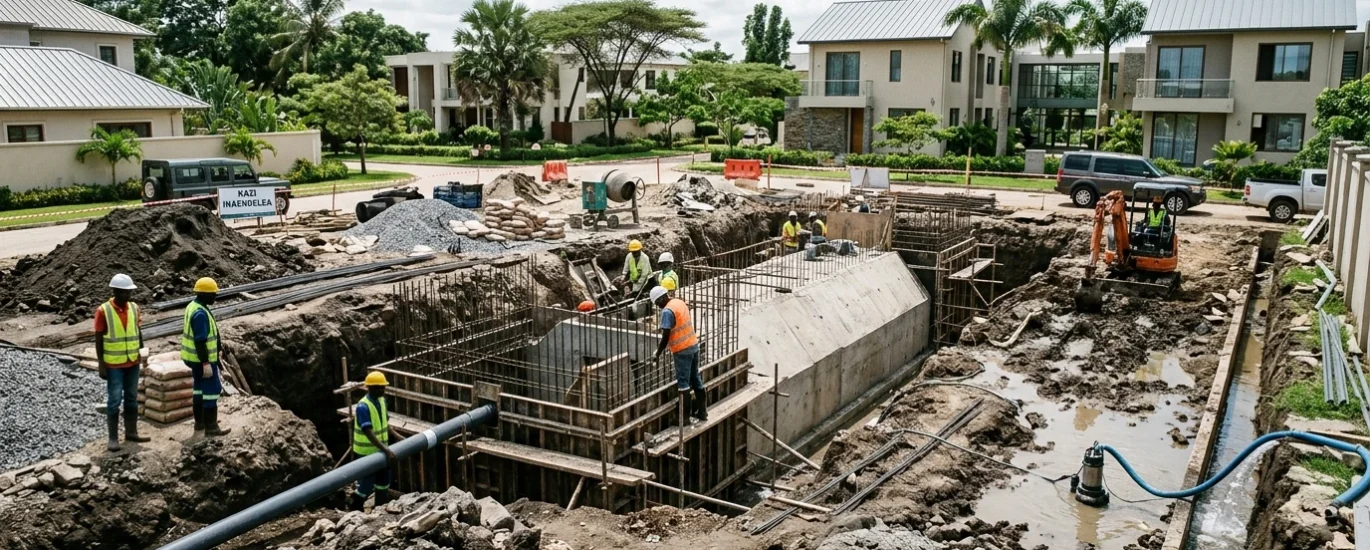
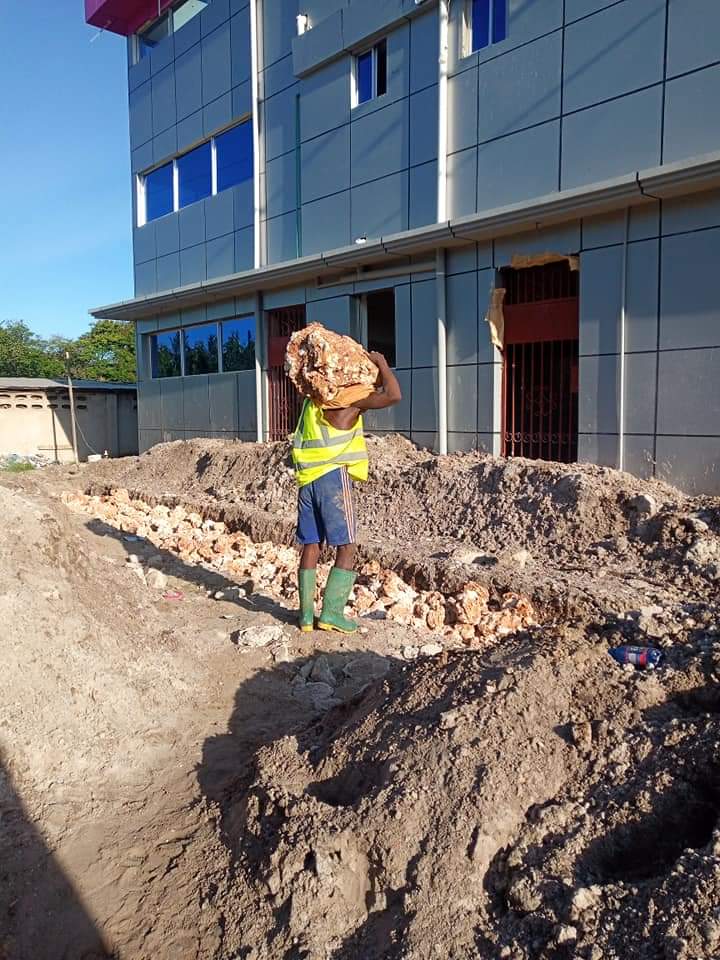
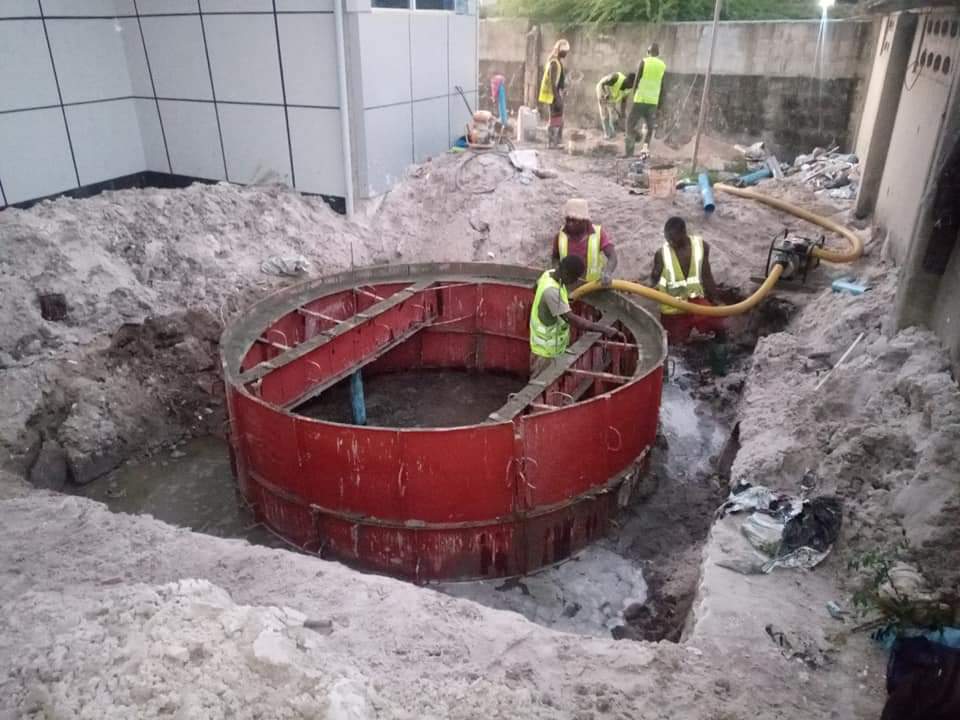
A large biodigester system can require considerably more construction work than a residential installation. Biosept’s Mbezi Classic Hotel project provides a real example: the hotel required a 400-user biodigester system costing TSh 13.5 million.
The cost reflected the construction of a large system, together with the associated materials, labour, transportation and general construction requirements. For a commercial property, the availability and transportation of materials can also have a significant effect on project costs.
This is an important distinction when comparing a residential biodigester with a hotel or other large commercial installation. A larger user capacity means not only a larger treatment system but potentially greater requirements for construction, labour, materials and logistics.
How long does a biodigester last?
A properly designed and installed biodigester can provide long-term service, but there is no responsible basis for saying that every biodigester will “last forever.” The lifespan depends on the construction materials, design, installation quality, operating conditions and maintenance.
A review of household biogas digesters reports typical lifetimes of approximately 25–35 years for many biogas digester systems, although actual service life varies by design and conditions. Household Biogas Digesters review
The distinction between the tank structure and other components is important. Pipes, drainage components and mechanical equipment, where present, may have different service lives from the main tank.
Biosept also has useful real-world evidence. One of its Goba installations has been operating since 2017, and the customer, Emma Samwel, reports that the system is still performing perfectly.
Does a biodigester need emptying like a septic tank?
A biodigester is designed to biologically break down organic waste, reducing the accumulation of solids compared with a conventional containment system. However, it is better to avoid treating “never needs emptying” as a universal engineering rule because maintenance requirements depend on the particular system, loading and operating conditions.
Conventional septic tanks accumulate sludge that eventually requires removal. The U.S. EPA explains that septic-system lifespan and performance depend on design, installation, materials, exposure conditions and maintenance, and that accumulated sludge can reduce effective tank volume and treatment performance if it is not managed. EPA septic-system guidance
The practical advantage of a biodigester is therefore better described as reduced sludge accumulation and reduced dependence on frequent emptying, rather than making an absolute promise that maintenance will never be required.
For Biosept customers, the correct maintenance expectations should be explained according to the specific system installed and how it is being used.
Biodigester vs septic tank: which installation is less painful?
For many property owners, the real question is not which system has the lowest initial construction cost. It is which system provides a more manageable combination of installation, maintenance, sludge management, drainage and long-term operating costs.
A conventional septic tank primarily provides settling and anaerobic treatment, but sludge accumulates and must eventually be removed. The EPA notes that septic-system performance depends heavily on proper maintenance and that accumulated solids can reduce effective treatment capacity. EPA septic-system maintenance guidance
A biodigester is designed around anaerobic biological digestion, which can reduce the amount of accumulated organic solids. A peer-reviewed review of household digesters identifies anaerobic digestion as a process that can treat organic waste while producing biogas and digestate, although the exact outputs depend on the type of digester and feedstock. Household Biogas Digesters review
Biodigester vs septic tank: what should a homeowner compare?
| Factor | Biodigester | Conventional septic tank |
|---|---|---|
| Main principle | Biological anaerobic digestion | Settling and anaerobic treatment |
| Solids | More biological breakdown | Sludge accumulates |
| Emptying | Depends on system and operation | Periodic sludge removal is required |
| Initial cost | Depends on capacity and site | Depends on tank and disposal system |
| Maintenance | Designed for low routine intervention | Sludge management is important |
| Drainage | Requires suitable effluent arrangement | Requires suitable effluent disposal |
| Best comparison | Total installation + operating needs | Total installation + desludging + disposal needs |
So, which installation is less painful? For a property owner who wants to reduce recurring septic-tank emptying and maintenance problems, a properly designed biodigester can be the more convenient option—but the site and system must be correctly designed first.
Is a biodigester suitable for homes, hotels and commercial properties?
Yes, but the system must be sized according to the property’s actual wastewater load. A family home, hotel, school and commercial facility can have very different patterns of water use and wastewater production.
Biosept has installed biodigester systems for families, schools and hotels, and its current service information recommends a site inspection before installation. Biosept Enterprises biodigester service
The company’s project experience also includes different physical site conditions. The Mbezi Classic Hotel project demonstrates a large 400-user system, while the Goba project demonstrates a smaller 1–20-user residential system affected by a high water table.
For larger properties, capacity becomes especially important. Tanzania-based research has investigated anaerobic digestion at substantially larger scales, including 100 m³ and 400 m³ scenarios, demonstrating that anaerobic digestion can be considered beyond individual households when the system is appropriately designed. Tanzania anaerobic digestion study
What should you check before installing a biodigester?
Before choosing a biodigester, establish how many people will use the property, how much wastewater is generated, where the system can be installed, what the ground conditions are and how treated effluent will be managed.
Tanzania’s Ministry of Water guidance emphasizes appropriate site selection and consideration of soil, geology, groundwater and separation from water sources when planning onsite sanitation systems. Tanzania Ministry of Water sanitation guidance
You should also ask the installer:
- How many users is the proposed system designed for?
- What exactly is included in the quotation?
- Is excavation included?
- Are grease traps included where needed?
- How will treated effluent be discharged?
- Is a French drain or another drainage solution required?
- What maintenance is expected?
- What happens if the property has hard or wet ground?
- What warranty does the installer provide?
- Has the installer completed similar projects?
A site inspection is therefore more valuable than choosing a system from a price list alone. Biosept can assess the property and recommend a suitable wastewater solution based on the project’s requirements.
Book a Biosept biodigester Free on-site inspection
How much does biodigester installation cost compared with a septic tank?
The cheapest initial installation is not automatically the cheapest wastewater solution over its full operating life. A proper comparison should include the initial construction, drainage, maintenance, sludge management and the likelihood of future interventions.
Biosept’s current biodigester prices range from TSh 2.5 million to TSh 13.5 million depending on user capacity. The Goba project shows the lower end of this range in practice, with a 1–20-user system costing TSh 2.5 million, while the Mbezi Classic Hotel project shows the upper end with a 400-user system costing TSh 13.5 million.
The Goba project also shows why site conditions matter: the high water table required specialised equipment, including a water pump. At Mbezi Classic Hotel, the larger system involved substantial materials, labour, transportation and general construction requirements.
A conventional septic tank may have a lower or higher initial construction cost depending on the design and site. But it also creates an ongoing sludge-management requirement; the EPA notes that accumulated solids must be managed to maintain septic-system performance. EPA septic-system guidance
The better question is therefore:
“What will this wastewater system cost me to install, operate and maintain over the years?”
That is the comparison a property owner should make before deciding between a biodigester and a conventional septic tank.
FAQ
How much does a biodigester cost in Tanzania?
Biosept Enterprises Company Ltd currently prices its biodigester systems from TSh 2.5 million for 1–20 users up to TSh 13.5 million for 1–400 users. The final installation requirements can vary according to the property and site conditions.
How long does a biodigester last?
Many household biogas digesters have reported lifetimes in the range of 25–35 years, although actual service life depends on design, materials, installation and maintenance. Household Biogas Digesters review
Does a biodigester need to be emptied?
A biodigester is designed to digest organic waste and reduce solids accumulation, so it can require much less emptying than a conventional septic system. However, maintenance requirements depend on the system design, loading and operating conditions.
Is a biodigester better than a septic tank?
A biodigester can be a better choice for property owners who want to reduce recurring septic-tank emptying and maintenance problems. The best option depends on the property’s wastewater load, ground conditions, available space, drainage requirements and installation design.